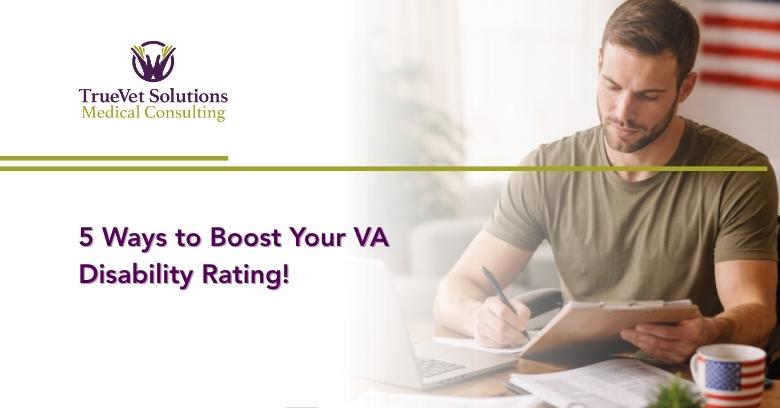
Navigating the world of VA benefits can feel overwhelming, especially for veterans seeking to maximize the support they have rightfully earned. Whether you are settling down in California's sprawling cities or the busy boroughs of New York, understanding how to improve your VA disability rating can have a profound impact on your quality of life. From increased monthly payments to wider access to healthcare, educational support, and more, a higher rating opens doors that can make all the difference for veterans and their families.
For many, the path to increased VA disability assistance is not as simple as submitting one application. The system for evaluating disabilities is nuanced, with many factors influencing the final outcome. Details in your medical records, the clarity of your claims, and even the way you talk about your symptoms can have far-reaching effects. That is why it is vital to educate yourself on the practical, actionable steps you can take, not just for your wallet but for your peace of mind and future wellbeing.
Every year, thousands of veterans in California and New York submit initial disability claims, but not everyone receives the rating they expect. Some accept their rating as final, but others go the extra mile of gathering evidence, consulting specialists, and appealing decisions so that the VA recognizes the full impact that their service-related conditions have on daily life. If you are wondering how to get started or how to take your current benefits to the next level, you are not alone.
In this guide, we will demystify the process and provide a practical roadmap to boost your VA disability rating. We will break down the five most effective strategies, discuss their pros and potential pitfalls, and explore how they play out in different states, with a focus on California and New York. Our aim is to arm you with the knowledge, confidence, and resources you need to make your case and receive the level of support you deserve.
So whether you are a veteran new to the VA system or someone aiming for a higher rating after years of service-connected challenges, read on. This article is packed with insights, tips, and tried-and-true advice for maximizing your VA disability benefits without feeling lost in government jargon or buried under paperwork. Let's discover how to take control of your VA benefits journey, one informed step at a time.
Understanding the VA Disability Rating System
Before exploring ways to boost your VA disability rating, it is crucial to grasp how the system works. The Department of Veterans Affairs assigns a percentage score to your disability, which directly impacts the benefits you receive. Ratings run from 0% or acknowledgment but no compensation to 100% or total disability. Factors such as the severity of your condition, the impact on daily life, and the quality of supporting medical evidence all play critical roles in your final rating.
The system can sometimes feel opaque, but at its core, it is designed to compensate veterans for loss of earning capacity due to service-related injuries or illnesses. In populous states like California and New York where living costs and healthcare access vary greatly, understanding the system's nuances is more vital than ever.
1. Gather Comprehensive Medical Evidence
The backbone of any successful VA disability claim is strong, objective medical evidence. Whether you are in Los Angeles, San Francisco, or New York City, your medical documentation must clearly link your symptoms and functional limitations to your military service.
What counts as solid medical evidence?
- Doctor's evaluations from VA and private providers
- Hospital/ER visit records
- Specialist reports such as from orthopedics, mental health, or audiology
- Diagnostic imaging including X-rays, MRIs, and CT scans
- Prescription records
- Statements documenting flare-ups or daily impact
It is not just about quantity; it is the quality and relevance of your records. Be sure your documentation highlights changes over time and details how your daily life is affected.
-
Pro Tip: In California and New York, veterans often have access to large hospital networks and VA Medical Centers. Leverage these resources to gather broad, detailed medical evidence.
2. Be Detailed and Consistent in Your Claims
When describing your symptoms or the extent of your disability, vague statements can undermine your case. Instead of saying "My back hurts," detail how pain limits specific tasks like "I experience shooting pain after walking two blocks, making it difficult to shop for groceries or care for my children."
- Consistency is key: The descriptions provided in your medical appointments should match what is in your official VA paperwork and appeals. Any discrepancies can lead to reduced ratings or denials.
-
Pro Tip: Keep a symptom diary. Many New York and California veterans find that tracking their daily experiences helps identify patterns and provides a time-stamped record for their claims.
3. File for Secondary Service-Connected Conditions
Many veterans overlook secondary conditions, health problems that arise as a result of a primary service-connected disability. For instance, chronic knee pain leading to hip issues or PTSD resulting in insomnia or chronic headaches.
Filing for secondary conditions can significantly boost your overall VA disability rating. Because ratings are calculated using the VA's combined ratings table, each additional condition increases your overall percentage, potentially qualifying you for more substantial VA benefits.
Examples of secondary claims:
- Depression due to chronic pain
- Hypertension related to service-connected diabetes
- Sleep apnea resulting from PTSD
Consult with a Veteran Service Officer or veteran resource service in your area to identify possible links you may have missed.
4. Request a Re-Examination or File an Appeal
If you believe your disability has worsened or your initial evaluation was incomplete, request a re-examination or file an appeal. The VA allows for increased review if you submit new and material evidence.
When should you appeal or request a re-examination?
- Your symptoms have significantly worsened since your last evaluation.
- You have new medical evidence or diagnoses.
- The original exam was rushed, missing, or incorrect.
Using VA disability assistance resources in major cities like San Diego, San Francisco, or Buffalo, veterans often find success by partnering with specialized attorneys, veteran resource services, or VSOs to navigate appeals.
- Pro Tip: There are multiple appeal lanes, each with its own timelines and procedures, ranging from supplemental claims with new evidence to higher-level reviews and appeals to the Board of Veterans' Appeals.
5. Use Lay Statements and Buddy Letters
Personal statements and buddy letters can give the VA a clearer picture of how your disability impacts day-to-day life. Lay evidence from family members, friends, or fellow service members adds context, especially for conditions where medical records alone might not capture the full story.
Best practices for lay statements:
- Be specific about daily limitations, examples, and changes since military service.
- Address work, home, social, and personal impacts.
- All statements should align with your medical records and claims.
California and New York both have strong veteran communities; reaching out to former unit members or local support groups can facilitate powerful supporting statements.
Pros, Cons, and Real-World Application
Pros of Boosting Your VA Disability Rating
- Increased Monthly Compensation: A higher rating directly translates into larger VA payments, making it easier to afford housing, healthcare, and daily necessities, especially in high-cost areas like California and New York.
- Expanded Healthcare Access: Certain ratings unlock eligibility for additional medical services, prescriptions, and specialty care.
- Family and Dependent Benefits: Higher ratings may provide additional financial support for spouses, children, and dependent parents.
- Educational and Housing Support: Improved ratings can open doors to programs like the VA Vocational Rehabilitation and specially adapted housing grants.
Cons and Challenges
- Complex Paperwork: The claims process can be time-consuming, paperwork-heavy, and at times frustrating.
- Potential for Denials: Not every claim succeeds on the first try, especially when evidence is lacking or inconsistencies are present.
- Periodic Reevaluations: In some cases, the VA may schedule follow-ups to determine whether your condition has improved, which may affect your rating.
Impact in California and New York
The sheer size and diversity of California and New York mean that navigating the local VA system can look different depending on where you live. Urban veterans may have easier access to specialists and advocacy organizations, while those in rural areas face longer travel times or fewer local resources. Community-based organizations, legal aid societies, and state-specific veterans' agencies in both states can play a pivotal role in guiding and supporting claims.
Conclusion
Increasing your VA disability rating is not just about paperwork. It is about advocating for your health, your livelihood, and your family's future. Whether you are based in California, New York, or anywhere in between, understanding and applying the right strategies can mean the difference between struggling and thriving in civilian life.
Start by gathering thorough, compelling medical evidence and maintaining detailed records about your symptoms and how they impact daily activities. Do not hesitate to revisit your rating if your condition changes, and remember that secondary conditions can make a significant difference to your overall compensation.
Lean into local resources, whether it is the VA disability assistance programs in bustling metropolitan areas like Los Angeles or New York City, or the networks of VSOs, veteran resource services, and advocacy groups that stretch across both states. Do not underestimate the power of lay statements from friends, family, or fellow veterans to add vital human context to your claim.
Above all, know that persistence pays off. The VA system can be complex to navigate, and setbacks are normal; but with the information and actionable steps outlined above, you will be better equipped to secure the benefits you have earned. If you are ready to boost your VA disability rating, do not wait. Start gathering your evidence, reach out for assistance, and make 2024 the year you claim the support you deserve.
Key Takeaways
- Document Everything Thoroughly: The foundation of a successful VA disability claim is clear, resilient evidence. Keep copies of all medical records, specialist reports, and personal symptom diaries. Do not rely on memory as each document could be the difference-maker in your rating.
- Be Precise and Consistent in Descriptions: Clearly describe your physical or mental limitations, using consistent language across all paperwork, doctor visits, and appeals. This alignment is crucial for convincing VA reviewers.
- Explore All Eligible Conditions: Beyond your primary service-connected condition, identify any secondary or related ailments. These can often be connected to your original diagnosis, increasing your overall rating and benefits.
- Leverage Local Resources: California and New York offer a wealth of veteran-focused organizations, medical centers, and advocacy groups. Take advantage of these as many offer free or low-cost help, from paperwork reviews to legal support.
- File Appeals and Request Reevaluations When Needed: If your initial rating seems low or your condition worsens, act. Provide new evidence, seek expert advice, and do not hesitate to appeal within the required timeframes.
- Utilize Lay Evidence Effectively: Personal statements from friends, family, and former colleagues can highlight the day-to-day impact of your disabilities. This real-world context can strengthen your application far beyond what medical charts alone provide.
- Understand the Rating System: Learn how ratings are calculated and combined. This knowledge helps you make informed decisions when filing for secondary conditions or appealing existing ratings.
- Be Patient and Persistent: The VA process takes time. Set realistic expectations, follow up regularly, and do not give up after a denial as many veterans succeed on appeal with the right approach.
- Stay Updated on Policy Changes: Legislation and VA policies can evolve. Subscribe to local veteran newsletters or check in with advocacy groups to stay aware of new benefits, deadlines, or changes relevant to California and New York veterans.
- Seek Professional Help When in Doubt: When complex issues arise like multiple secondary conditions, legal technicalities, or contested appeals, consult with Veteran Service Officers, legal aid clinics, or specialized attorneys.
FAQs
1. How does the VA determine my disability rating?
The VA evaluates your service-connected disabilities by reviewing your medical records, personal statements, and any supporting documents. Ratings are assigned in 10% increments, reflecting the severity of your condition and its impact on daily functioning, which then determines your monthly VA benefits.
2. Can I increase my VA disability rating after receiving an initial decision?
Yes, veterans can request a rating increase if their condition worsens or if new evidence emerges. Filing a claim for increase or appealing a decision can lead to a higher rating and additional VA disability assistance.
3. What counts as strong medical evidence for my claim?
Comprehensive, up-to-date medical records from both VA and private providers including diagnoses, test results, specialist reports, and detailed notes on symptoms form the backbone of a compelling claim. In California and New York, veterans benefit from access to top-tier medical centers, which help them assemble solid records.
4. What are secondary service-connected conditions and why should I file for them?
Secondary conditions are health issues caused or worsened by a primary service-connected disability. They matter because they can significantly boost your overall VA disability rating and benefits, especially when managed with help from VA disability assistance programs.
5. How do I file an appeal if I disagree with my VA rating?
Start by reviewing the VA's appeal options: supplemental claims, higher-level reviews, or direct appeal to the Board. Gather new evidence before filing and consider working with a Veteran Service Officer in California or New York for guidance.
6. Are lay statements and buddy letters really necessary?
Absolutely. Lay statements from friends, family, or former service members can provide crucial context to your claim, demonstrating real-world impact in ways that medical records sometimes cannot.
7. Does my state of residence affect the process or benefits?
While VA disability ratings are federal, local resources, access to specialists, and the efficiency of regional VA offices in California and New York can shape your experience and support.
8. How long does it take to increase my VA disability rating?
Timelines vary, depending on claim complexity and VA office workload. Simple claims may resolve in a few months; appeals or cases requiring additional evidence can take a year or more.
9. What if I cannot work because of my service-connected disabilities?
If your disabilities prevent you from maintaining substantially gainful employment, you may qualify for a Total Disability Individual Unemployability (TDIU) rating, providing compensation at the 100% VA benefits level.
10. Where can I get help with my VA disability claim in California or New York?
Veterans can seek help from local VA Medical Centers, Veteran Service Organizations, legal aid clinics, or state-run support agencies. These resources have experience handling VA disability assistance and can significantly improve your chances of success.


Related Posts
Navigating the world of VA benefits can feel overwhelming, especially for veterans seeking to maximize the support they have rightfully earned. Whether you are settling down in California's sprawling cities or the busy boroughs of New York, understanding how to improve your VA disability rating can have a profound impact [...]

For many veterans who have sacrificed so much in service to their country, navigating the complexities of the Department of Veterans Affairs or VA benefits system can be a daunting and at times, overwhelming process. In Pennsylvania, North Carolina, and across the nation, countless veterans find themselves facing the discouraging [...]

Navigating the world of VA benefits can be daunting, especially when you are counting on that support and your initial claim comes back denied. For veterans and their families in Pennsylvania, Georgia, and across the United States, understanding how the VA system works is crucial to seeing you receive the [...]